
Old Hawaiʻi, One Rainy Afternoon at a Time
There's something about Hilo that feels like stepping back in time.
Maybe it's the vintage storefronts, the farmers markets, or the way life seems to move at a gentler pace. Or perhaps it's the rain, which has a way of reminding you that there's really no need to rush.
Located on the lush windward side of Hawaiʻi Island, Hilo is wonderfully different from the sunny resort communities around Kona. It's less tourist-oriented, a little nostalgic, and full of character.
And that's exactly what I love about it.
I enjoy wandering through downtown Hilo, discovering old buildings, local shops, and markets where everyday island life unfolds.
But behind its peaceful, old-fashioned charm lies a remarkable history.
Two devastating tsunamis, in 1946 and 1960, reshaped Hilo's waterfront. The town rebuilt, and today its historic streets and open spaces tell a story of resilience.
For curious travelers, the Pacific Tsunami Museum offers a fascinating look into this part of Hawaiʻi's history.
And don't worry too much about the rain. Hilo is one of the wettest cities in the United States, and all that moisture is responsible for the beautiful tropical greenery that surrounds it.
My advice? Bring an umbrella, find a good coffee, and enjoy the slower pace.

Bowling Beside a Volcano? Absolutely.
Our first visit was a three-day getaway with our friends Mike and Carolee. We flew over from Oʻahu and spent two nights at Kīlauea Military Camp (KMC), inside Hawaiʻi Volcanoes National Park.
I absolutely loved it.
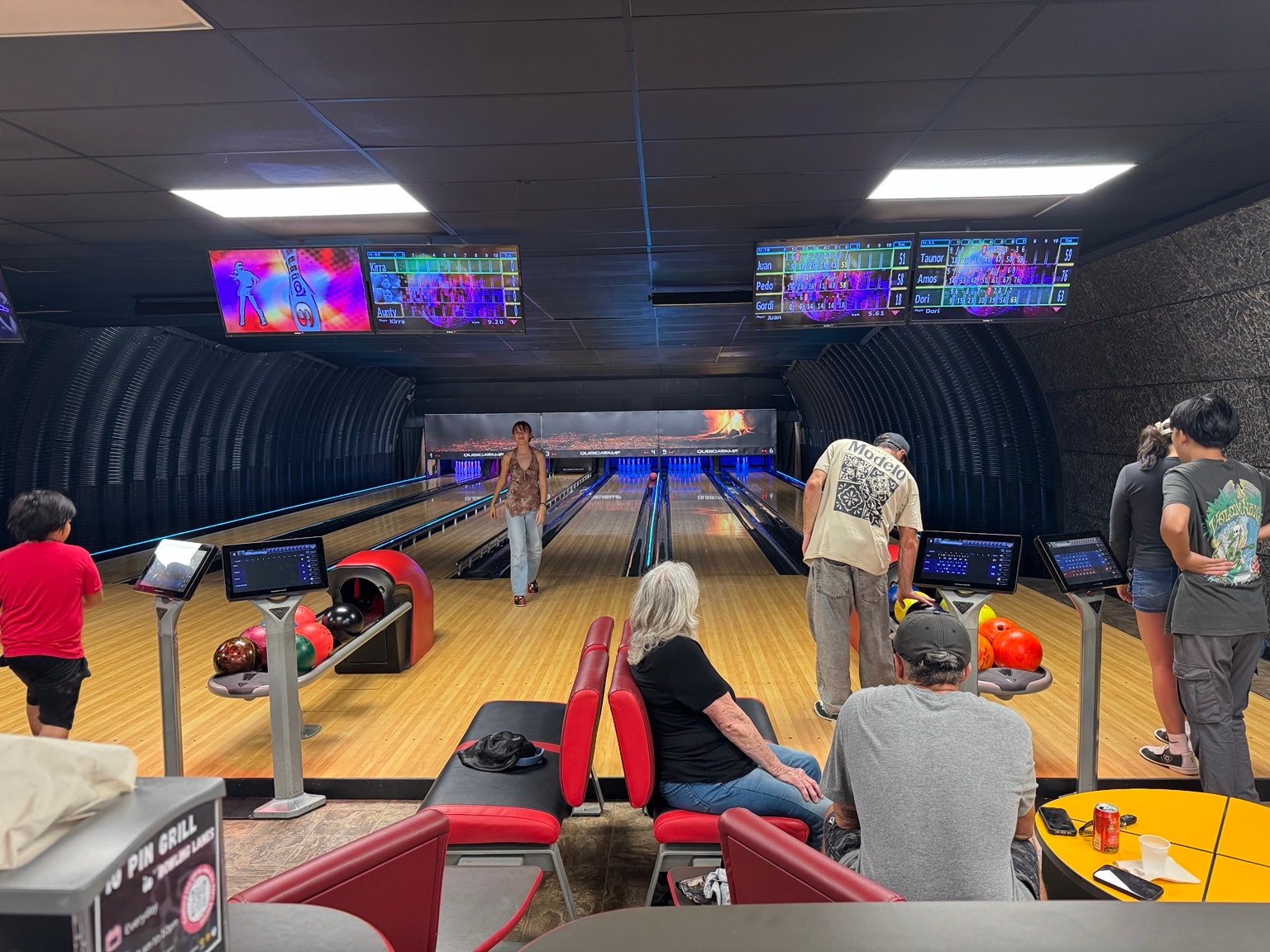
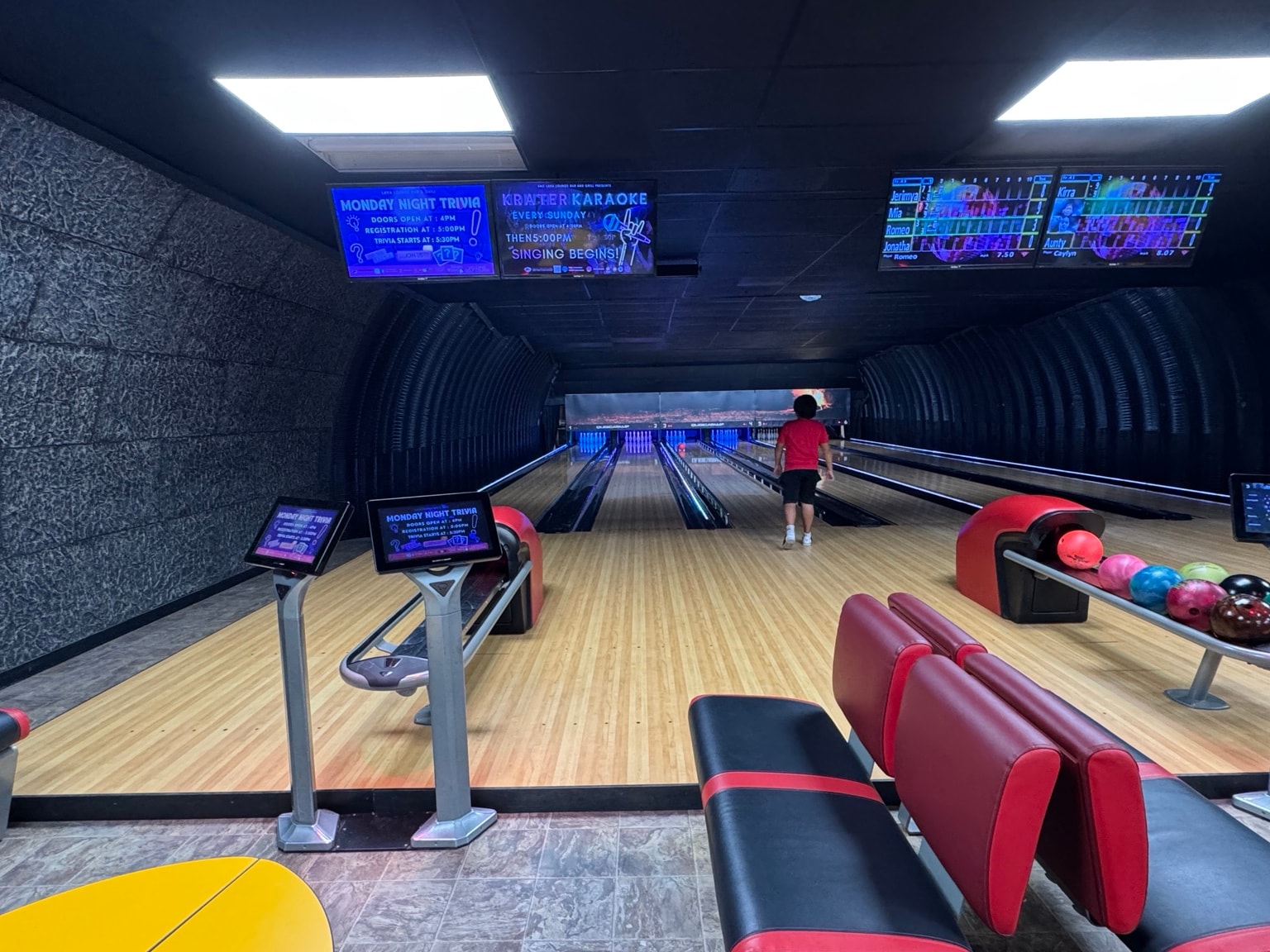
KMC has a nostalgic, almost summer-camp atmosphere. Forget the infinity pools and fancy cabanas. Here you'll find a wonderfully old-fashioned setting and, to my delight, a bowling alley!
Yes, we went bowling near one of the world's most active volcanoes.
Not exactly what most people imagine when planning a Hawaiʻi vacation, but that's what made it memorable.
KMC is a military recreation facility with specific lodging eligibility requirements, so it isn't available to every traveler. For those who qualify, it's a distinctive experience. Other visitors can stay in Hilo or look for charming accommodations around Volcano village.
Kīlauea: Where the Island Is Still Being Created
Hawaiʻi Volcanoes National Park is extraordinary.
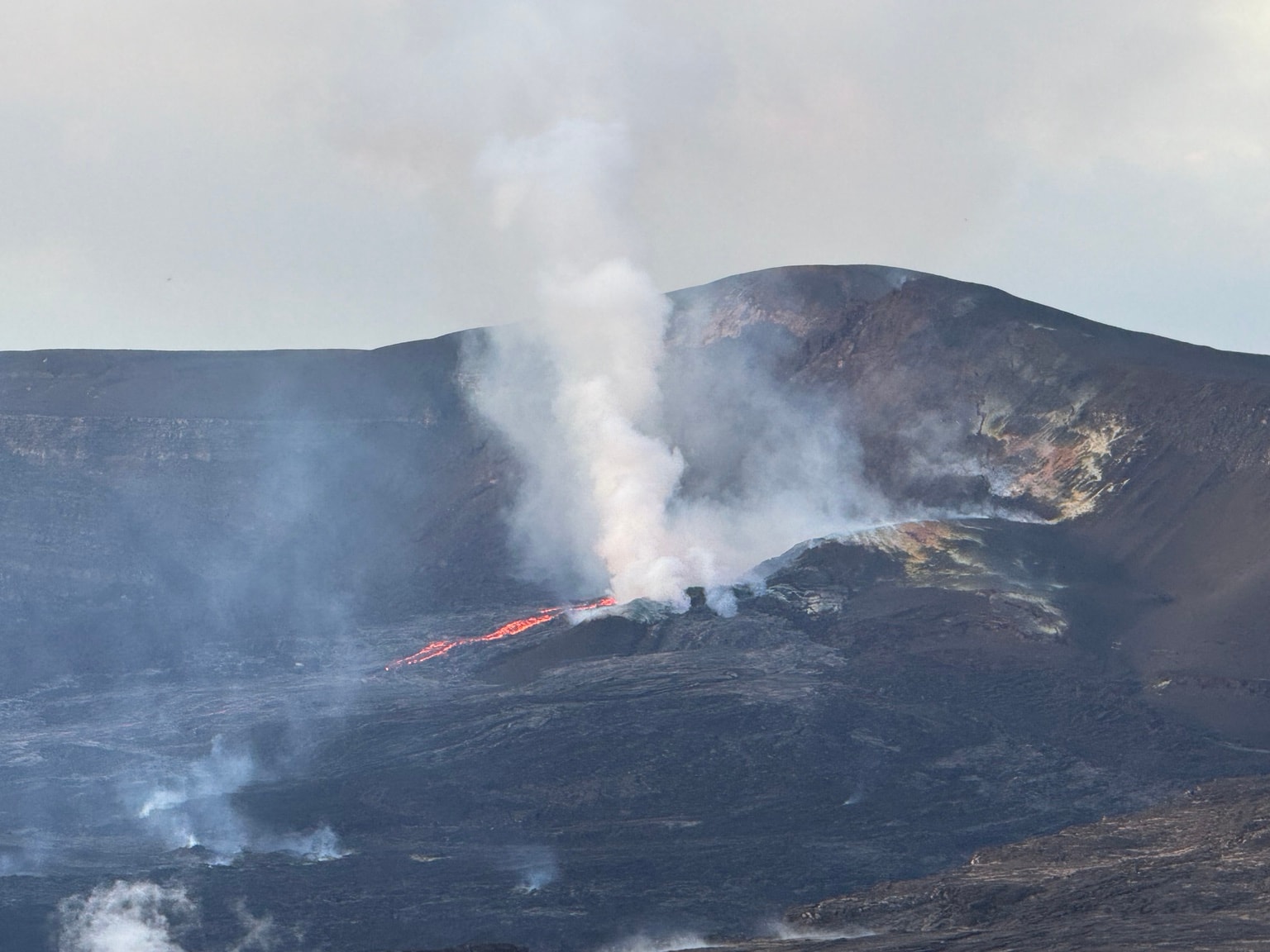
Steaming ground, vast craters, hardened lava flows, and lush forests create a landscape unlike anywhere else in Hawaiʻi.
Kīlauea is one of the world's most active volcanoes. Its eruptions have helped shape the island, although visible lava is never guaranteed during a visit.
Even without an eruption, the park is fascinating.
A Special Encounter with the Nēnē
One of our favorite discoveries had nothing to do with lava.
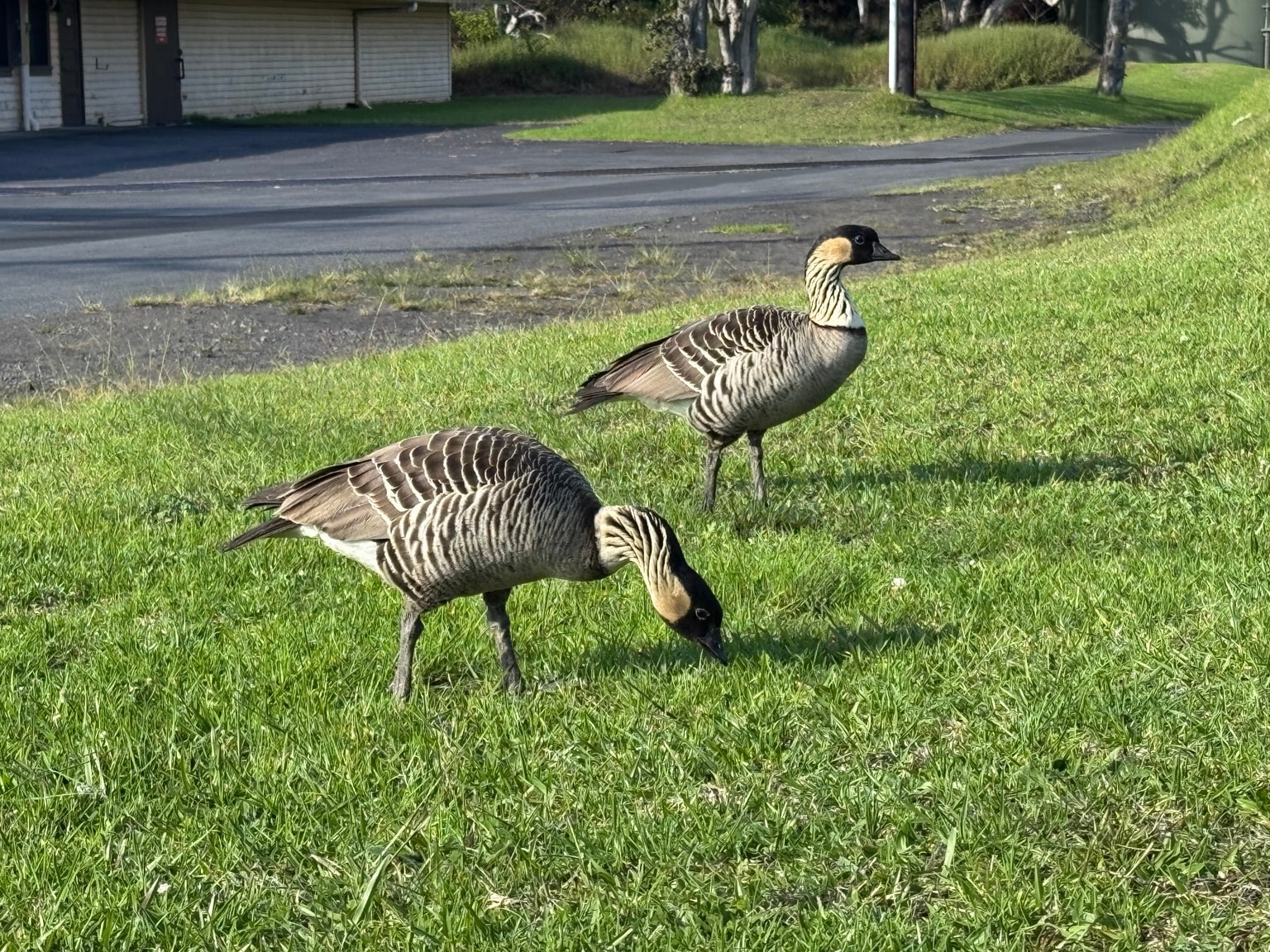
We encountered nēnē, Hawaiʻi's native goose and state bird.
Here's an interesting fact: by the mid-20th century, the wild nēnē population had fallen to just a few dozen birds. Thanks to decades of conservation work, their numbers have recovered significantly.
Seeing these beautiful birds in their natural surroundings was such a lovely experience that I later painted them.
Sometimes the smallest encounters become our favorite travel memories.
If you're lucky enough to see nēnē, admire them from a respectful distance and never feed them.

Dinner with a Volcanic View
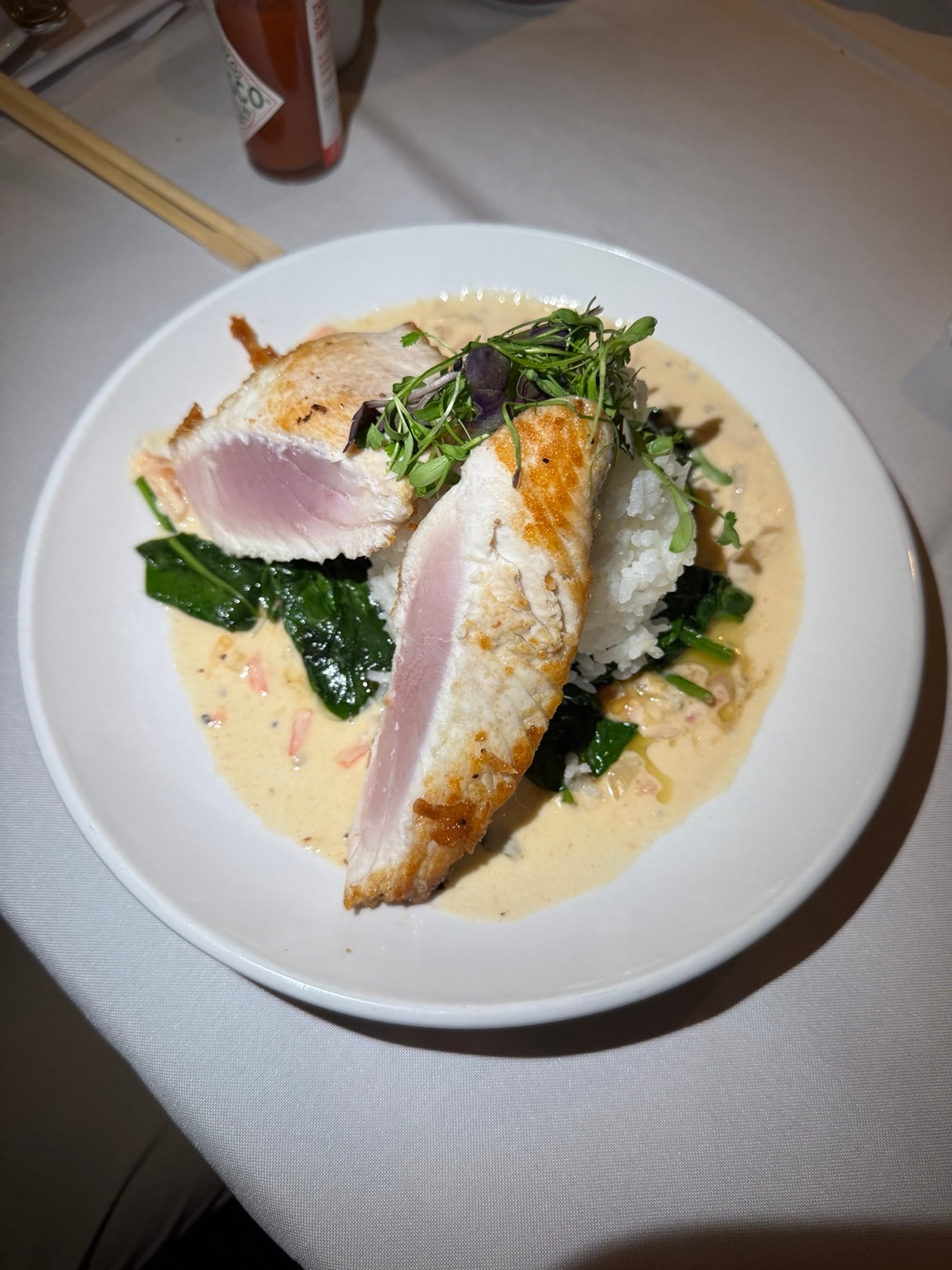
Another highlight was dining at Volcano House, the historic hotel overlooking Kīlauea's summit caldera.
The food was delicious, but the atmosphere was what made it unforgettable.
There's something extraordinary about enjoying a lovely meal while looking out over a volcanic landscape.
It's one of those places where the setting becomes part of the dining experience.
If you're planning an evening visit, check restaurant hours and reservations in advance.
The Greener Side of Hawaiʻi Island
The east side of the Big Island receives far more rainfall than the west, and the landscape reflects it. Driving north from Hilo along the Hāmākua Coast, you pass through dense rainforest, past waterfalls that tumble down sea cliffs, and through small towns that feel like they've barely changed in fifty years. It's one of the most beautiful drives in Hawaiʻi.
Akaka Falls State Park is worth a stop — a short loop trail through lush jungle leads to a 442-foot waterfall that drops straight into a gorge. It's genuinely dramatic, and the walk takes less than an hour. Waipio Valley, further north, is one of the most sacred and visually striking places on the island — a deep, green valley with a black sand beach at its base. You can view it from the lookout at the top; the road down is extremely steep and best left to four-wheel-drive vehicles or guided tours.
The contrast with the Kona side is striking. If you're spending time on both coasts — which I always recommend — the shift from the sun-baked lava fields of the Kohala Coast to the misty, overgrown east side feels like arriving in a different country.

Hawaiʻi Volcanoes National Park
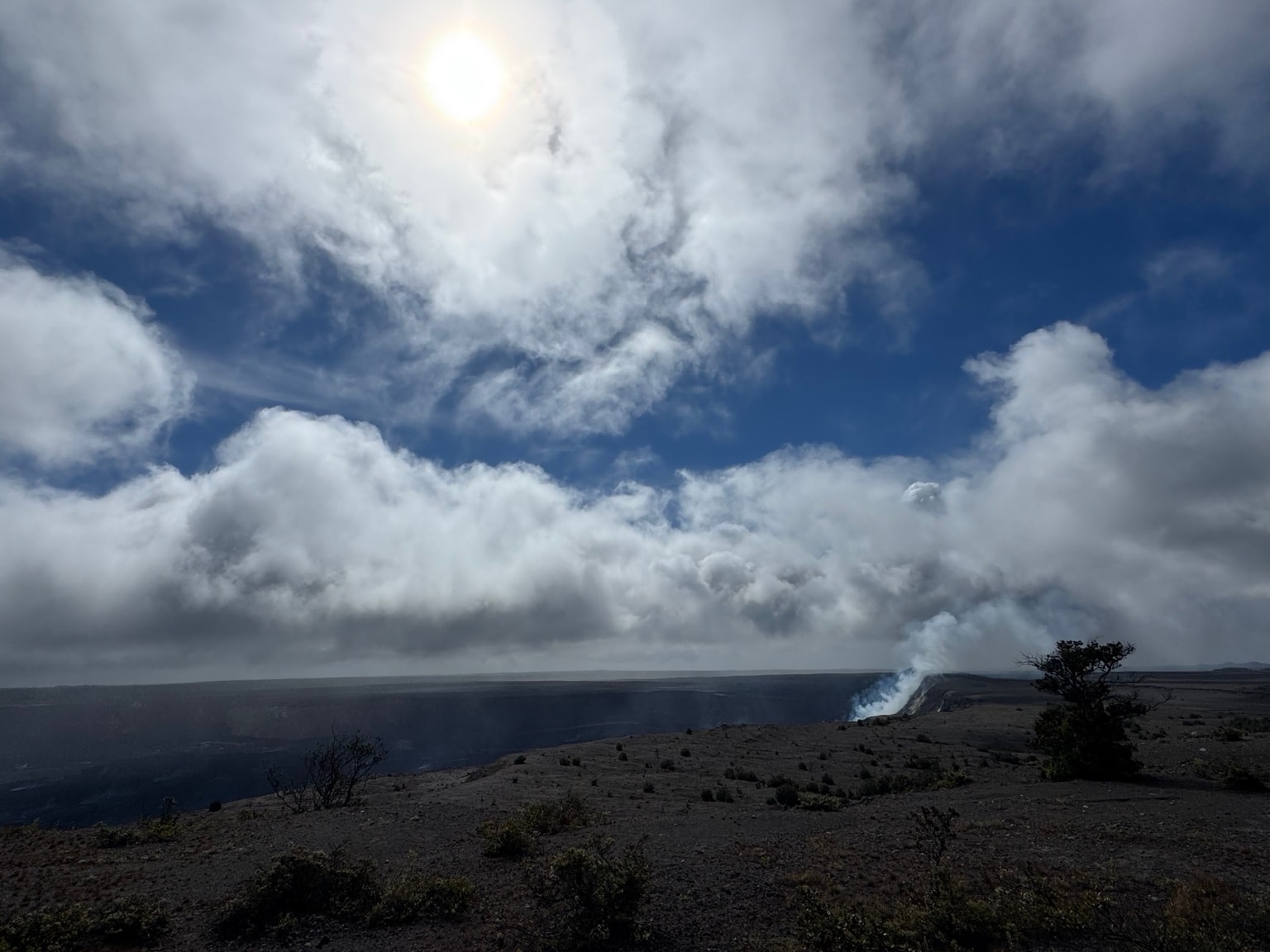
Hawaiʻi Volcanoes National Park is one of the most extraordinary places I've ever been. It's also one of the most unpredictable. The park is home to Kīlauea, one of the world's most active volcanoes, and what you'll see on any given visit depends entirely on current volcanic activity — which can change from week to week, or even day to day.
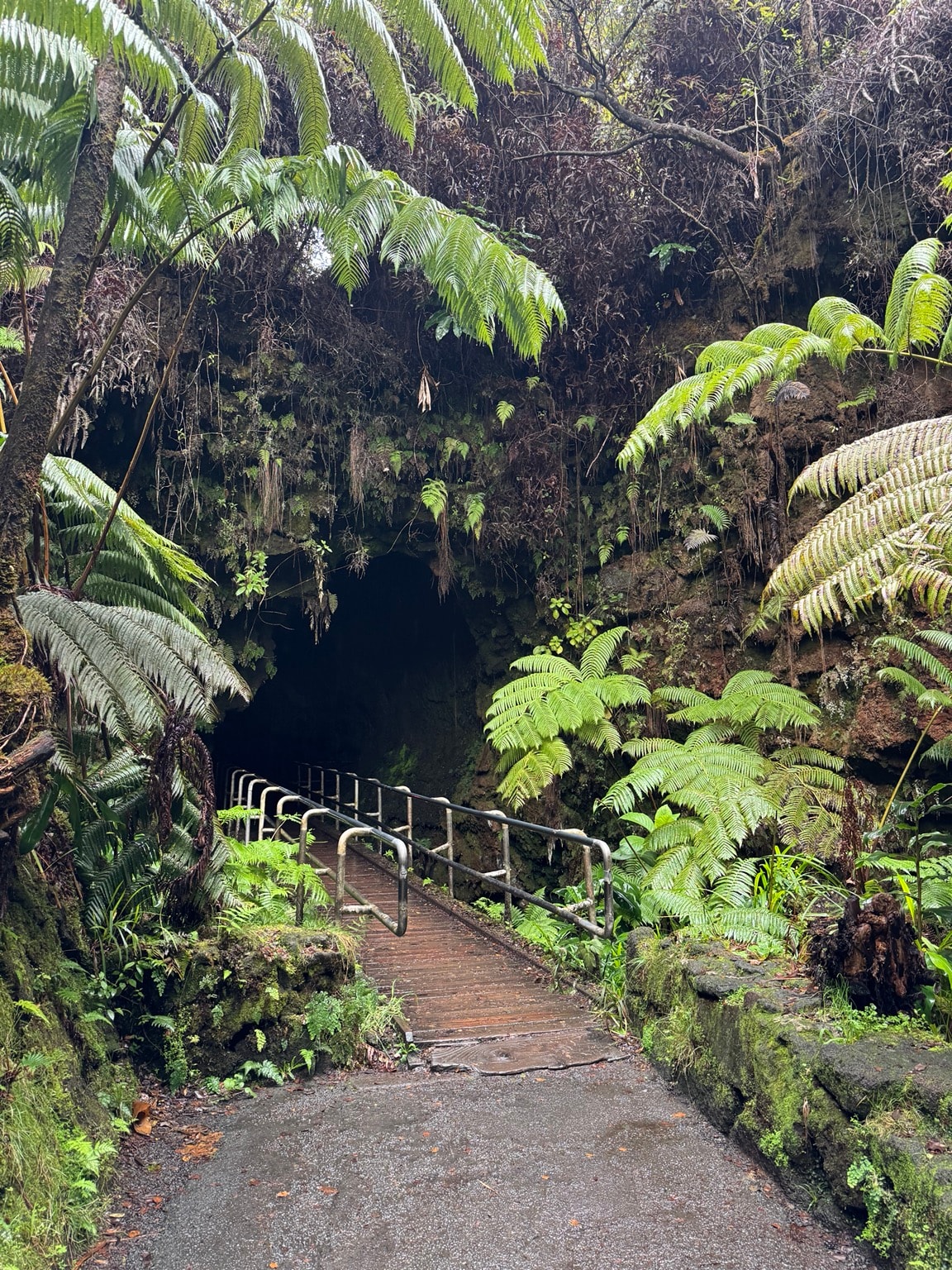
On a clear night with an active eruption, the glow from the caldera is visible for miles. The Kīlauea Overlook at the summit offers a view into the crater that is genuinely awe-inspiring — a vast, steaming landscape that makes you feel very small. The Thurston Lava Tube is a short walk through a fern forest into a cathedral-like tunnel formed by ancient lava flows. The Chain of Craters Road descends 3,700 feet from the summit to the coast, passing through a moonscape of hardened lava fields and offering views of the ocean far below.
A word of honesty: volcanic activity is never guaranteed. Kīlauea has been in various states of eruption and rest over the years, and the park experience is meaningful regardless — the landscape itself is extraordinary. But if witnessing an active eruption is important to you, it's worth checking current conditions before you book. The USGS Hawaiian Volcano Observatory updates its reports daily, and the National Park Service website shows current activity levels.
The park is large — 335,000 acres — and deserves at least a full day. If you're staying nearby, two days allows you to explore at a more relaxed pace, including an early morning visit to the caldera when the light and the mist are at their most dramatic.
One unexpected highlight: the nēnē. Hawaiʻi's state bird — a native goose descended from Canada geese that arrived on the islands thousands of years ago — can often be spotted near the park's crater rim. They're remarkably unafraid of people, and seeing one up close is a genuine delight. I've had a soft spot for nēnē for years; I even painted one long before I ever visited the park.

Our First Volcano Getaway
The first time I visited the volcano, it was a spontaneous trip with our friends Mike and Carolee. We flew from Honolulu to Hilo — a short hop, barely 45 minutes — and drove straight to the park. We had no grand plan. We just wanted to see it.
We stayed two nights at Kīlauea Military Camp, which sits right inside the national park. KMC is a U.S. military recreation facility, so it's only available to active duty, retired military, and certain other eligible guests — it's not a standard hotel recommendation I can make for everyone. But for those who qualify, it's a remarkable place to stay: simple, comfortable cabins and lodge rooms set in the forest, with the caldera a short walk away. Waking up inside the park, before the day visitors arrive, is something I won't forget.
We spent the evenings at the Volcano House, the historic hotel perched on the rim of the caldera. The dining room has one of the most dramatic views of any restaurant in Hawaiʻi — you're looking directly into the crater, and if there's any glow, you'll see it from your table. Even without an active eruption, the setting is extraordinary.
That trip — two nights, a short flight, and a very different side of the island — remains one of my favorite Hawaiʻi experiences. It's the kind of thing I love helping people plan.
A note on eligibility: Kīlauea Military Camp (KMC) is a U.S. Armed Forces Recreation Center. Eligibility is limited to active duty, retired military, DoD civilians, and certain other authorized guests. It is not available to the general public.

The COULTOUR Little Black Book
Hilo rewards the curious eater. The food scene is unpretentious, deeply local, and genuinely good.
Breakfast & Bakeries
Two Ladies Kitchen
Famous for their mochi and Japanese-style sweets. A Hilo institution. The line moves quickly and the mochi is worth every minute of the wait.
Café 100
The home of the loco moco — a Hilo original. No-frills, counter service, and a menu that hasn't needed to change in decades.
Abundant Life Natural Foods & Café
A good option for a lighter breakfast or lunch, with a well-stocked natural foods market attached.
Lunch & Local Plates
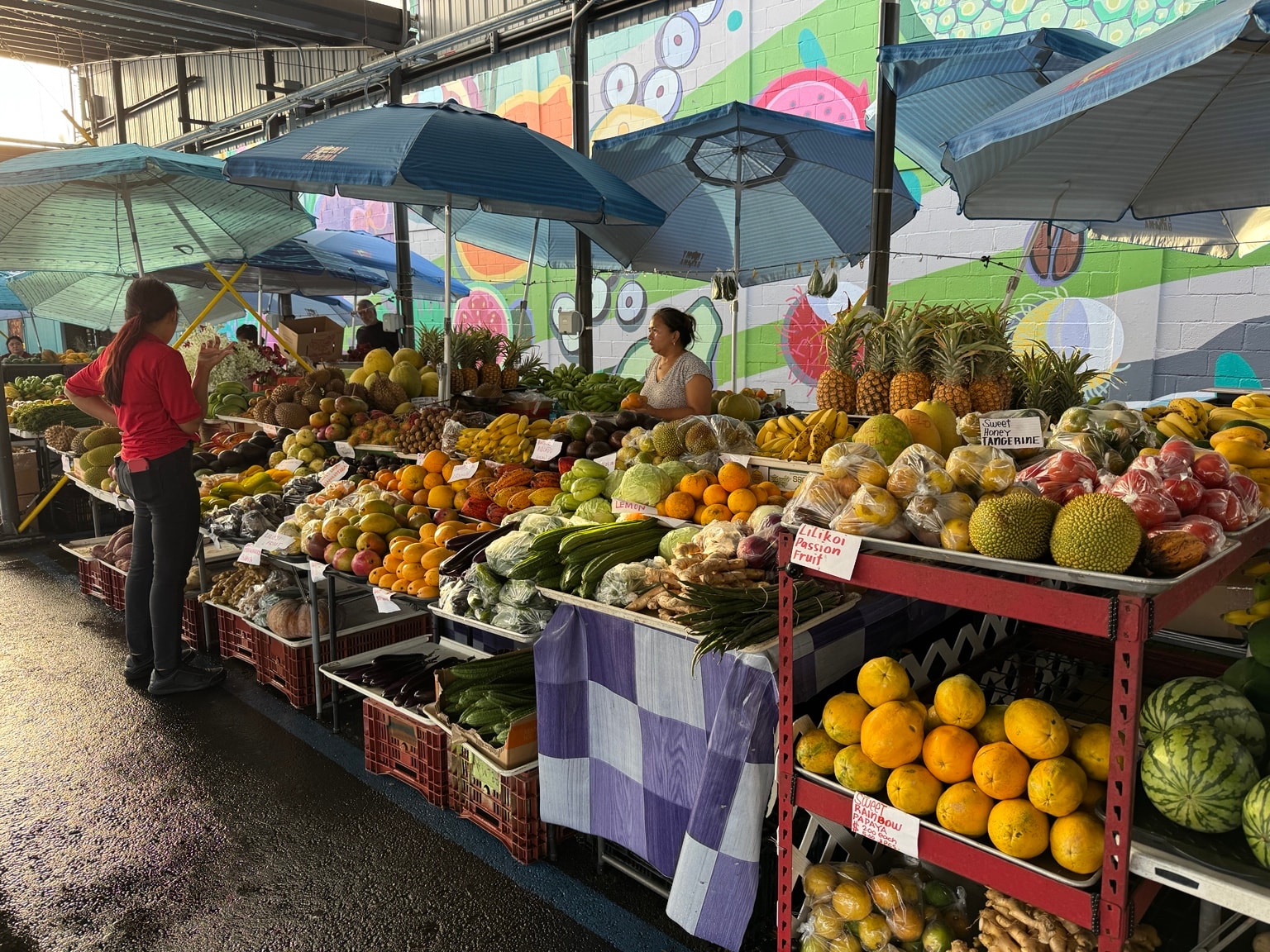
Hilo Farmers Market
Wednesday and Saturday mornings. Fresh fruit, plate lunches, tamales, and local produce. Go early for the best selection.
Puka Puka Kitchen
A small, popular spot for poke bowls and local-style plates. Casual, quick, and consistently good.
Dinner
Hilo Bay Café
The most polished dining option in Hilo — a farm-to-table menu with local ingredients and a thoughtful wine list. A good choice for a proper dinner.
Seaside Restaurant
A Hilo landmark since 1921, set on a fishpond. The fish is fresh and the setting is unlike anything else in town. Old-fashioned in the best possible way.
Volcano House Restaurant
Inside the national park, on the rim of the caldera. The food is solid; the view is extraordinary. Worth a dinner or at minimum a drink at the bar.
Coffee & Provisions
Hilo Coffee Mill
A short drive from downtown, this small-batch roaster sources from farms across the island. A good place to taste the range of Big Island coffees beyond just Kona.
Basically Books
An independent bookshop in downtown Hilo with a strong Hawaiʻi section — maps, history, natural science, and local literature. Worth a browse.
Where to Stay: Hilo or Volcano?
For travelers exploring both sides of Hawaiʻi Island, I recommend spending about two nights on the windward side before continuing west toward Kona and the Kohala Coast.
Hilo is a convenient base for exploring the historic downtown, markets, local restaurants, and nearby coastline.
Staying around Volcano village brings you closer to the national park, especially if you'd like to explore in the early morning or evening.
For visitors who prefer a hotel in Hilo, options include Grand Naniloa Hotel Hilo, SCP Hilo Hotel, and Arnott's Lodge. Each offers a different style of accommodation, depending on your preferences and budget.
A Few Things Worth Knowing
Hawaiʻi Volcanoes is a U.S. national park, so a valid entrance pass or payment of the applicable entrance fee is required.
And here's something many visitors underestimate: it gets cold up there!
Kīlauea's summit is roughly 4,000 feet above sea level. Even when it's warm along the coast, the park can be chilly, windy, and rainy, particularly after sunset.
Bring a jacket, rain layer, and comfortable walking shoes. Check the National Park Service website for current eruption conditions, road closures, and safety updates before visiting.
Why Hilo Stays with Me
Would I choose Hilo over Kona for an entire vacation? Probably not. I love the restaurants, ocean adventures, and beautiful resorts along the west coast.
But would I skip Hilo?
Absolutely not.
The old town, the rain, the local markets, the volcano, our little bowling adventure, and those beautiful nēnē all made this side of Hawaiʻi Island special.
Hilo reminds me that travel isn't always about doing more.
Sometimes, it's about finding a place where time seems to move a little more slowly.
Explore more of Hawaiʻi Island